How Body Contouring Farmington Hills Can Help You Feel Event-Ready
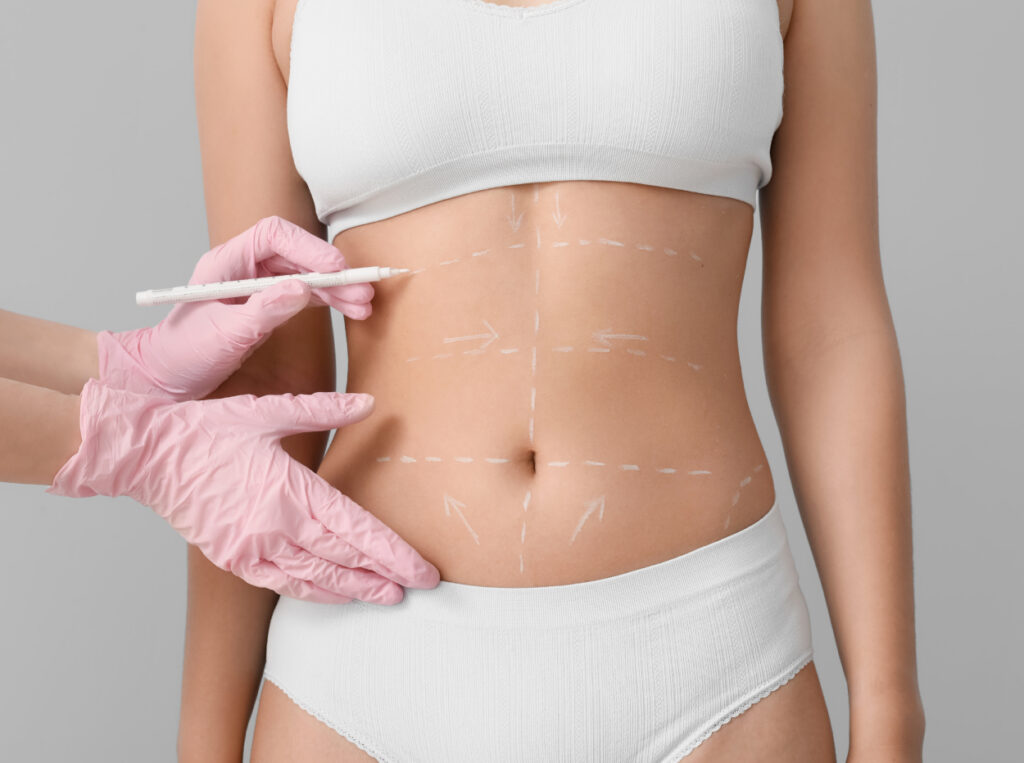
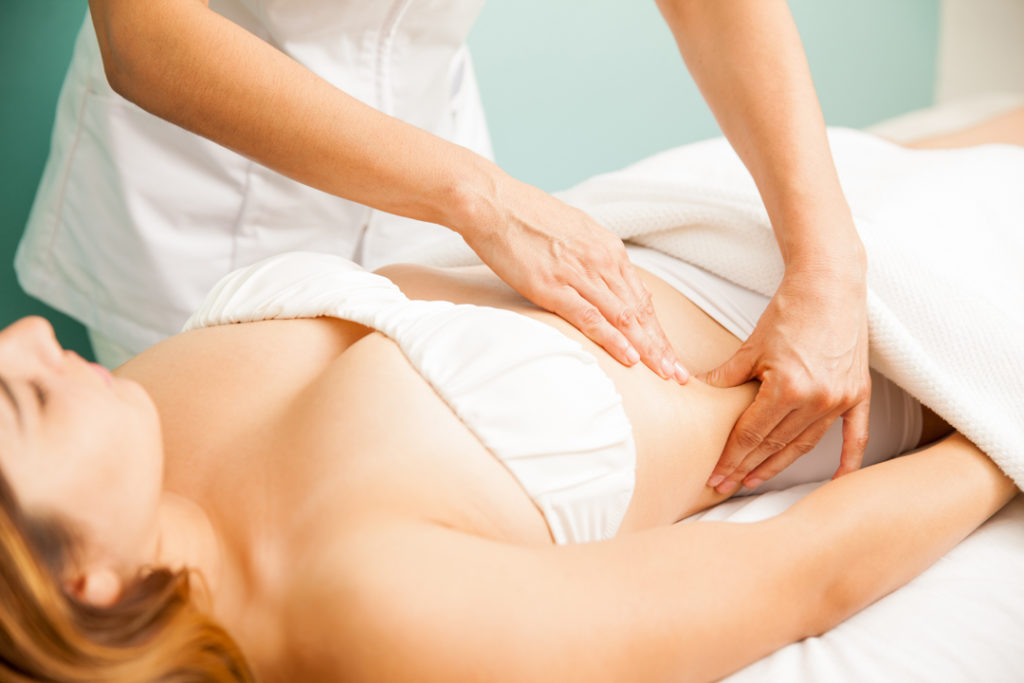
There is a specific kind of pressure that comes with getting ready for a major event. It might be a wedding, a class reunion, a beach vacation, a milestone birthday, or a black-tie fundraiser you have been looking forward to for months. You find the outfit, book the hair appointment, think about skincare, and then often run into one quiet frustration that no amount of tailoring seems to solve. Certain areas of the body hold onto fullness, softness, or loose skin in ways that do not match the effort you are already putting in.
That is where body contouring enters the conversation.
When people hear the phrase, they sometimes assume it is only about dramatic cosmetic change. In practice, the reason many patients explore body contouring is much more grounded. They want clothes to fit better. They want fewer problem spots in photos. They want to feel polished and comfortable at an event instead of tugging at fabric, adjusting posture, or mentally negotiating with every mirror in the room.
For people considering Body Contouring Farmington Hills, the appeal is often less about chasing a different body and more about refining the one they already have. The best outcomes tend to come from that mindset. Body contouring can enhance shape, smooth certain areas, and support confidence, but it works best when expectations are realistic and timing is thoughtful.
Why event prep often brings body concerns into sharper focus
Most of the year, people dress for routine. Work clothes, athleisure, outerwear, loose layers, and familiar silhouettes make it easy to move through the week without thinking too much about body lines. Events change that. Formalwear, fitted dresses, tuxedo shirts, sleeveless cuts, open necklines, and vacation clothing all reveal areas that daily wardrobes can soften or conceal.
That shift is one reason patients often schedule consultations around life events. The event itself does not create the concern, but it puts it under brighter light. Someone may have been mildly bothered by lower abdominal fullness for years, yet only feel motivated to address it when they try on occasion wear and realize the fit is not what they hoped. Another person may feel strong and healthy overall, but dislike the way the upper arms look in photographs taken from certain angles.
This is not vanity. It is a common response to a moment that feels meaningful. Looking event-ready has a practical side. When you feel at ease in your clothes, you stand differently, smile more naturally, and stop spending energy on self-monitoring. That psychological shift matters. Confidence shows up in photos, conversations, and the way you carry yourself through the day.
What body contouring actually means
Body contouring is a broad term. It can refer to non-surgical treatments designed to reduce small pockets of fat or improve skin firmness, and it can also refer to surgical procedures that reshape specific body areas more dramatically. The right approach depends on the concern, the timeline, the amount of change desired, and the patient’s tolerance for downtime.
In real clinical conversations, the distinction matters a great deal. Someone with a wedding in eight weeks may be a poor candidate for a procedure that requires a longer recovery or where final results take months to settle. On the other hand, a patient planning six to twelve months ahead may have more options and better flexibility.
The phrase Body Contouring Farmington Hills can include treatments for the abdomen, flanks, thighs, upper arms, back, under the chin, or other targeted areas. Some treatments aim to reduce stubborn fat cells. Others focus on tightening skin or improving contour after weight loss or pregnancy. A good provider does not lump all concerns into one category. They evaluate tissue quality, body composition, health history, and timing before recommending anything.
That last point is where experience matters. Not every area responds the same way, and not every person is a good match for every treatment. A slim patient with one isolated bulge may be an excellent non-surgical candidate. A patient with significant skin laxity may be disappointed by a device-based treatment if surgery is really what would produce the cleaner contour they want.
The stubborn areas that tend to matter before an event
There are a handful of body concerns that come up repeatedly when events are on the calendar. The lower abdomen is probably the most common, especially after pregnancy or weight fluctuations. Even people at a stable weight can notice a lower belly contour that remains resistant to training and nutrition. Love handles or flank fullness come up often too, because fitted clothing tends to highlight them.
Upper arms are another area people mention before weddings and vacations, particularly if sleeveless clothing is involved. Inner thighs can affect how certain dresses or tailored pants fit. Under the chin is technically a smaller zone, but it carries outsized visual impact in photos, especially candid shots from side angles or seated positions.
Back fullness, bra-line bulges, and mild loose skin around the midsection also become more noticeable in eventwear. These concerns are not always large or dramatic. In fact, the people who benefit most from body contouring are often already close to their desired shape. They simply have one or two areas that disrupt the overall silhouette.
That is why body contouring is not a substitute for weight loss. It is refinement. Think of it as the difference between renovating an entire house and adjusting a few architectural details that improve flow and symmetry.
How non-surgical body contouring fits into event timelines
Non-surgical options are often the first thing people ask about when an event is approaching. The reason is straightforward. They usually involve little to no downtime, which is attractive to busy adults balancing work, family, and travel planning.
That said, low downtime does not mean instant transformation. Many non-surgical body contouring treatments work gradually. The body needs time to process treated fat cells or respond to tissue-heating technologies that stimulate tightening. Visible changes may begin within several weeks, but the full effect often unfolds over a few months. For someone trying to look their best by a specific date, that timing matters.
This is where realistic planning prevents disappointment. If the event is three weeks away, there may be cosmetic treatments that improve skin quality or temporary swelling reduction, but body contouring is unlikely to create major visible reshaping in that window. If the event is three to six months away, the conversation becomes much more promising. There is time for consultation, treatment, healing, and gradual refinement.
Patients sometimes underestimate the emotional benefit of this longer runway. Rather than panicking close to the event, they can make decisions from a calmer place. They also have time to assess whether one session is enough or if a series would better suit their goals.
When surgical contouring makes more sense
Some concerns are structural. Significant loose skin after weight loss, abdominal wall changes after pregnancy, or larger deposits of localized fat may not respond adequately to non-surgical treatment alone. This is where a surgical approach may offer a clearer path to the result a patient wants.
Surgical body contouring tends to involve more recovery and more planning, but it can https://andydicm394.evercolumn.com/posts/body-contouring-farmington-hills-small-changes-that-make-a-big-difference also produce a more pronounced change. For someone with enough lead time before a major event, that trade-off may be worthwhile. The key is honesty during consultation. If a patient wants a substantially flatter abdomen, markedly smoother waistline, or tighter skin, a provider should explain what each option can realistically accomplish.
One of the most common disappointments in aesthetic care comes from choosing a gentler treatment for a stronger problem. That mismatch usually happens because people are trying to avoid downtime, cost, or anxiety around a procedure. Those are valid concerns, but they need to be balanced against expected outcome. If the goal is a subtle improvement, non-surgical treatment may be ideal. If the goal is a notable contour correction, surgery may be the better route.
For event readiness, surgical planning generally needs a longer horizon. Swelling, bruising, garment use, and final settling all take time. Patients who do well are usually those who do not book close to the event. They give themselves room to heal properly and let results mature.
What a thoughtful consultation should cover
A strong consultation is more than a quick recommendation. It should feel like a detailed planning session built around your body, your timeline, and your actual priorities. Providers who do this well usually ask not only what area bothers you, but why it bothers you, what you have tried, what event you are preparing for, and how much recovery time you can realistically handle.
They should also look at factors that can change the treatment choice entirely. Skin elasticity is a major one. So is body weight stability. Hormonal changes, recent pregnancies, certain medications, and previous procedures can affect results or suitability. Even the type of clothing you plan to wear can help frame the goal. A patient wanting improvement for a fitted satin gown may need a different strategy than someone focused on swimwear.
The conversation should also address what body contouring will not do. It does not tighten severely loose muscles unless the procedure specifically addresses that. It does not replace exercise. It does not guarantee perfection from every angle under every fabric. Good providers explain limitations because that is what protects patient satisfaction.
Here are a few questions worth bringing to a consultation:
- Am I a better candidate for non-surgical or surgical contouring?
- How long before my event should I start treatment?
- What level of result is realistic for my body type and target area?
- Will I need more than one session or a staged treatment plan?
- What should I expect in terms of swelling, discomfort, and visible downtime?
These questions help move the conversation away from vague hopes and toward practical planning.
The timing mistake people make most often
The most common mistake is waiting until the event feels urgent. This happens for understandable reasons. People are busy. They hope diet or exercise will solve the concern first. They are hesitant to spend money until they feel certain. Then suddenly the event is six weeks away, and they want a result that typically needs three to six months.
In my experience, the best event-driven body contouring plans begin earlier than most people think necessary. Even when treatment itself is simple, the body has its own schedule. Swelling resolves on its own timetable. Tissue remodels gradually. Some people need a second session for balance or enhancement. Starting early creates options.
A useful rule of thumb is to think seasonally rather than monthly. If the event is in summer, begin consultations in winter or early spring. If the event is around the holidays, late summer or early fall is a better planning window than November. That approach gives you room to make good decisions instead of rushed ones.
What results usually feel like in daily life
When body contouring goes well, the changes often show up in ordinary moments before they show up in dramatic reveals. Pants zip more smoothly. A dress lies flatter through the waist. The back view in photos looks cleaner. A swimsuit feels less intimidating. These are the details patients describe most often, and they are meaningful because they affect how someone experiences an event hour by hour.
There is also a subtle but important emotional shift. People stop negotiating with their clothing. They stop picking only the most forgiving cuts. They are more willing to stand in the center of a group photo instead of angling themselves to hide one side. For many, that is the real return on the investment.
This is especially true when expectations were healthy from the start. The happiest patients are rarely the ones chasing an entirely different body. They are the ones who wanted to smooth a sticking point and ended up feeling more aligned with the version of themselves they already recognized.
How to support your results before the big day
Body contouring is not magic, and results hold best when supported by stable habits. Large weight swings after treatment can affect shape. So can inconsistent hydration, poor sleep, and inflammation from overly aggressive crash dieting right before an event.
The most effective pre-event approach is usually the least dramatic. Keep your weight stable. Maintain normal movement and strength training. Follow post-treatment instructions closely. Avoid layering too many cosmetic interventions at the last minute. Patients who scramble with extreme dieting, dehydration, or poorly timed procedures often create more swelling, irritation, or unpredictability than they realize.
A steady plan tends to work best:
- Schedule early enough to allow full healing and visible settling.
- Keep nutrition consistent rather than restrictive.
- Maintain moderate exercise unless your provider advises otherwise.
- Follow garment, massage, or aftercare guidance exactly as directed.
- Leave a buffer between treatment and the event for any residual swelling.
That buffer is one of the most underrated parts of event prep. Even excellent results can look better a few weeks later than they do in the immediate post-treatment phase.
Choosing a provider in Farmington Hills with the event in mind
Not every aesthetic practice approaches body contouring with the same level of nuance. If your goal is event readiness, look for a provider who talks openly about timelines, healing, and result variability rather than promising speed. Conservative honesty is usually a good sign. So is a willingness to say no when the timeline is too tight or the chosen treatment is not the right fit.
For Body Contouring Farmington Hills, local convenience matters more than people sometimes expect. Follow-up visits, progress checks, and easy access to your provider can make the process smoother. If a treatment requires multiple sessions or post-procedure support, being able to stay local reduces friction and helps you stick with the plan.
It is also wise to pay attention to how a provider discusses candidacy. A thoughtful professional will not treat every request the same way. They will explain why one person is a strong candidate and another may be better served by waiting, losing weight first, addressing skin quality, or choosing a different technique. That kind of judgment often predicts a better experience than flashy marketing.
Before and after photos can help, but they should be interpreted carefully. Look for patients with body types and concern areas similar to yours. Focus on consistency, not just the most dramatic transformations. And remember that lighting, posing, and timeline all influence what you see.
Feeling ready is not only about shape
There is a tendency to talk about event preparation as though every detail is visible on the outside. The truth is more personal. Feeling ready often comes from reducing friction between how you want to show up and what your reflection gives back to you. Body contouring can play a role in that if the concern is specific, the timeline is realistic, and the treatment choice matches the problem.
For some people, the impact is modest but meaningful. For others, it can be one of the most satisfying parts of their event preparation because it solves a problem that clothing and fitness alone could not. Either way, the goal is not to become unrecognizable. It is to feel settled, polished, and comfortable enough to be present for the event itself.
That is the standard worth using. Not perfection. Not chasing someone else’s proportions. Just a better fit, a smoother silhouette, and a little less mental static when the photos start and the room fills up. When approached thoughtfully, body contouring can help make that happen.
Aesthetic Plastic Surgery & Laser Center, Michelle Hardaway M.D.
Address: 27920 Orchard Lake Rd, Farmington Hills, MI 48334
Phone number: +12482211957
FAQ About Body Contouring Farmington Hills
What does body contouring actually do?
Body contouring (or body sculpting) eliminates stubborn localized fat, tightens loose, sagging skin, and reshapes your silhouette. It is not a weight-loss tool, but rather a cosmetic procedure used to refine and tone specific trouble spots after major weight loss, pregnancy, or aging.
How much does body contouring usually cost?
The total cost of body contouring usually ranges from $2,000 to $25,000+ depending entirely on whether you choose non-surgical sessions or major surgical procedures.
Because "body contouring" covers everything from simple fat-freezing to comprehensive post-weight-loss surgeries, pricing is heavily categorized by the method used.
What is the best type of body contouring?
Liposuction is a huge topic and worth discussing in more detail, but in terms of body contouring and sculpting, nothing does the job better than liposuction, particularly VASER liposuction.