The Growing Demand for Body Contouring Farmington Hills Services
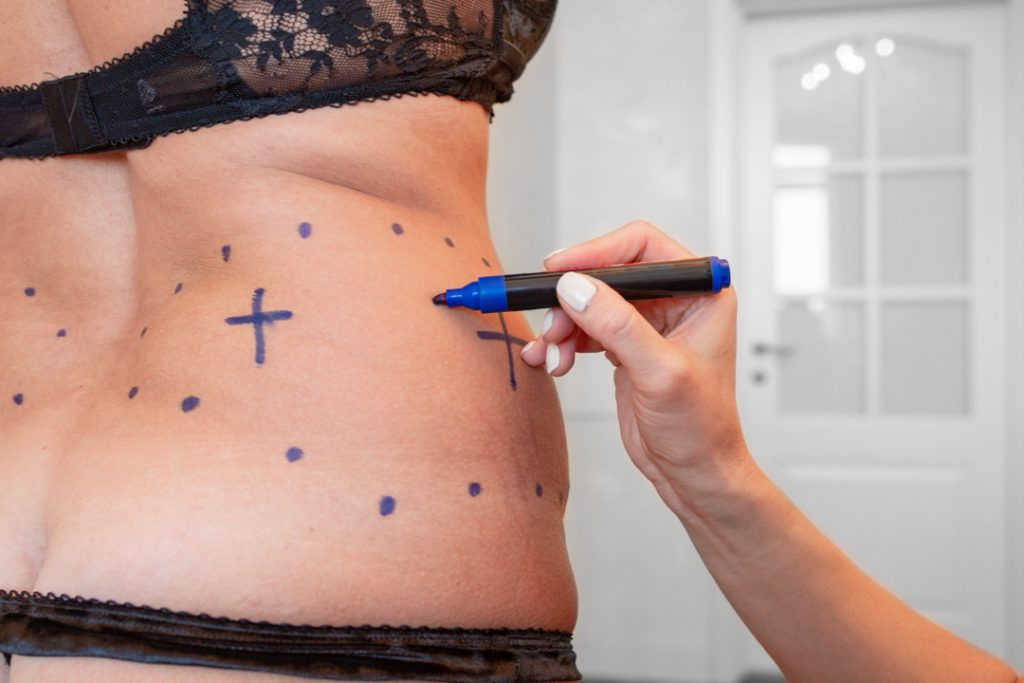
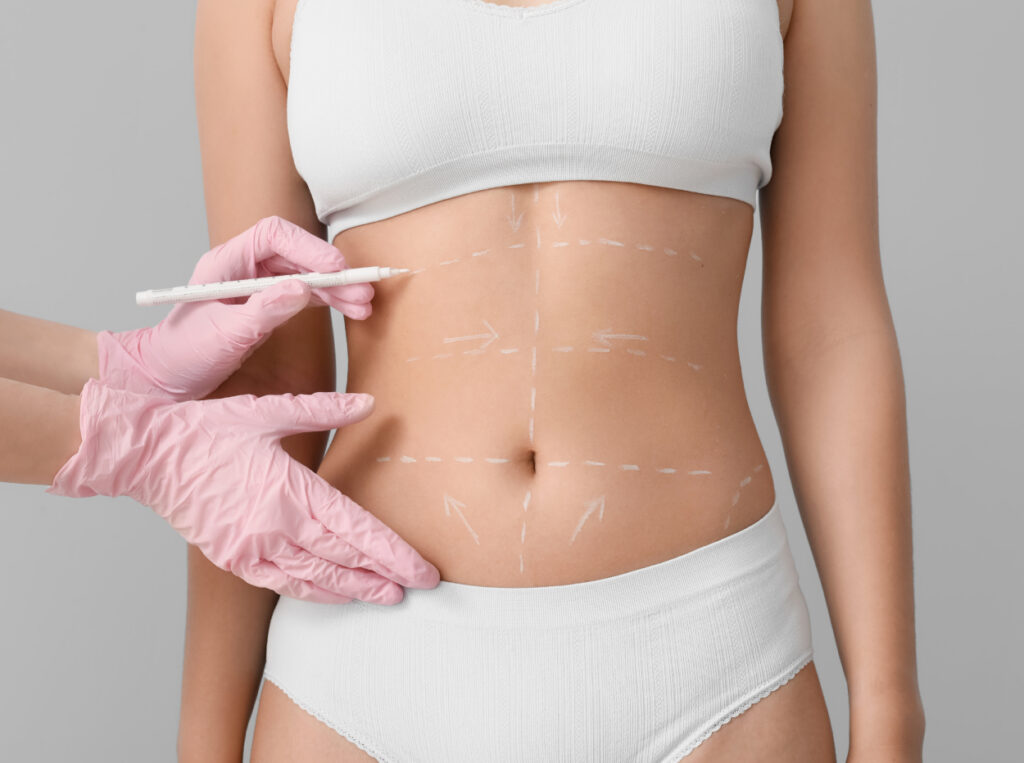
Body contouring has moved from a niche cosmetic category into a mainstream conversation about shape, comfort, and personal confidence. In Farmington Hills, that shift is especially visible. More people are asking practical questions about non-surgical fat reduction, skin tightening, and post-weight-loss refinement, not because they expect perfection, but because they want options that fit real life. They are balancing work schedules, family obligations, gym routines, recovery time, and budget. They want treatments that make sense, not empty promises.
That is a big part of why interest in Body Contouring Farmington Hills services continues to rise. The demand is not driven by one trend alone. It sits at the intersection of aesthetics, wellness, technology, and changing expectations about what self-care can look like. Patients today tend to be better informed than they were a decade ago. They often arrive with research in hand, photos saved on their phones, and a clear sense of what they want to improve. Just as important, they often know what they do not want, which usually includes surgery, long downtime, or a treatment plan that feels vague.
Why more people are seeking body contouring now
The most obvious reason is increased visibility. Procedures that were once discussed quietly now appear in everyday conversations, on social media, and in medical spa marketing. That alone does not explain the growth, though. Visibility may spark curiosity, but demand grows when people hear consistent reports of convenience and reasonable outcomes.
A common pattern looks like this: someone loses 20 to 50 pounds, feels healthier overall, then notices that a few areas seem resistant. The lower abdomen still feels soft. The flanks still hold on to fullness. The upper arms may not match the progress seen elsewhere. In some cases, the concern is less about fat and more about laxity. Skin changes after pregnancy, aging, or weight loss can alter body proportions in ways that exercise alone cannot fully address.
That distinction matters. Body contouring is not a substitute for healthy habits, and reputable providers say that upfront. Instead, it tends to appeal to people who are already making an effort and want help with the stubborn parts. It is often the final 10 to 15 percent of the transformation that motivates them.
Farmington Hills also reflects a broader suburban demographic that supports this category well. The area includes busy professionals, parents, active older adults, and people who prioritize appearance in both personal and professional settings. They are often looking for services close to home, with flexible appointment availability and a clinical environment that feels trustworthy. When a service is local, discreet, and efficient, adoption tends to rise.
What people mean when they ask for body contouring
The phrase sounds straightforward, but in practice it covers several different goals. Some clients want fat reduction in targeted pockets. Others want smoother skin texture or firmer tissue. Some want help after significant weight loss. A smaller but important group wants maintenance, not transformation. They are already close to their ideal size and are focused on refinement.
This is where consultations can separate a good experience from a frustrating one. Two people may both say they want a flatter stomach, but one may need fat reduction while the other may need skin tightening, muscle-toning support, or a referral for a surgical consultation because non-invasive treatment will not solve the problem fully. That kind of honesty builds trust.
In my experience, the best outcomes happen when expectations are calibrated early. A patient who understands that body contouring can improve silhouette, reduce fullness, and create more definition is more likely to be satisfied than someone expecting dramatic surgical-level change from a lunchtime procedure. Results can be impressive, but they tend to look most natural when the plan matches the anatomy.
The appeal of non-surgical treatment
The rise in non-surgical options has changed the market. Years ago, many people assumed contouring meant liposuction or a more invasive operation. Now they may consider radiofrequency tightening, cryolipolysis, ultrasound-based treatments, muscle stimulation platforms, or combination protocols. The exact method varies by provider and patient need, but the broad appeal stays the same: less downtime, lower barrier to entry, and less intimidation.
That accessibility matters. Someone who would never book a surgery consultation may feel comfortable starting with a non-invasive assessment at a reputable med spa or cosmetic clinic. Once the conversation begins, they can ask more specific questions about expected sessions, sensation during treatment, time to visible change, and maintenance.
There is also a psychological advantage to gradual improvement. Surgical change can be dramatic, which some patients want. Others prefer subtle progression. They appreciate seeing their shape improve over several weeks or months without drawing attention to the process. For professionals and parents with packed schedules, that can be a major factor.
Recovery is another part of the appeal. Non-surgical does not always mean no discomfort, but it usually means fewer interruptions. Many treatments allow people to return to normal activity quickly, sometimes the same day. That practical convenience has done more to grow this segment than flashy advertising ever could.
Farmington Hills clients tend to be pragmatic
One thing that stands out in suburban markets like Farmington Hills is how practical clients tend to be. They often ask grounded questions instead of chasing novelty. How long will this take? How many sessions are typical? Will I need to maintain my weight? Is this safe for my skin tone? What happens if I stop after one session? Can this help loose skin or only fat?
Those are exactly the right questions.
The strongest providers welcome that mindset because body contouring works best when it is framed as a process, not a miracle. A patient with mild abdominal fullness and good skin elasticity may respond well to non-invasive fat reduction. A patient with moderate skin laxity after pregnancy may need a tightening-focused approach, and even then, results may be partial. A patient who has lost 80 pounds may have concerns that are better addressed surgically, especially if loose skin is extensive.
There is no shame in any of those categories. The real issue is fit. When the treatment fits the problem, demand continues because satisfaction spreads by word of mouth. When the treatment is oversold, people talk about that too.
The influence of post-weight-loss and postpartum patients
Two groups have played a major role in the growth of Body Contouring Farmington Hills services: post-weight-loss patients and postpartum women.
Weight loss, whether achieved through lifestyle changes, medical management, or newer prescription support, often reveals a mismatch between effort and remaining contour concerns. People may be proud of their progress and still feel discouraged by specific areas that remain out of proportion. This is especially common in the lower abdomen, waistline, inner thighs, and upper arms. For these patients, contouring is often framed as finishing work, not vanity.
Postpartum demand has grown for a different reason. Pregnancy changes tissue quality, abdominal tone, and fat distribution. Even after a return to baseline weight, many women notice differences in firmness and shape. Some are interested in non-invasive support before considering anything more involved. Others simply want to feel more comfortable in clothing again. The emotional tone of these consultations is often less about chasing an ideal and more about reclaiming familiarity with one’s own body.
That nuance matters because good providers listen for it. A person asking for contouring after childbirth is not always asking for a dramatic makeover. Sometimes she is asking for options that respect her time, her healing process, and her current stage of life.
Technology has improved, but judgment still matters more
Aesthetic devices have become more sophisticated, and that has helped drive demand. Treatments are often more tolerable, more targeted, and more customizable than they were in earlier generations. Marketing tends to focus on the machine, but from a patient perspective, the provider’s judgment is usually more important than the brand name on the equipment.
The same device can produce a smart, appropriate plan in one office and a disappointing experience in another. That difference usually comes down to assessment, candidacy, and technique. It also comes down to restraint. Not every area should be treated aggressively. Not every patient benefits from stacking multiple procedures too quickly. More treatment is not always better treatment.
When clinics in Farmington Hills build a reputation for measured recommendations, they tend to retain clients longer. People remember when a provider talked them out of wasting money. That kind of professionalism is one of the quiet drivers behind local demand. In aesthetics, trust compounds.
What a thoughtful consultation should cover
A strong consultation does not feel like a sales script. It should feel like a clinical conversation with aesthetic awareness. Patients should come away understanding not only what is possible, but also what is unlikely.
At a minimum, a worthwhile consultation should address:
- the specific concern, whether it is fat, skin laxity, muscle tone, or a combination
- whether the patient is a good candidate for non-surgical treatment
- how many sessions may be needed, with the understanding that estimates vary
- what realistic results look like over time
- cost, maintenance, and any reasons to postpone treatment
If those points are skipped or rushed, that is a red flag. Body contouring is not inherently complicated, but it does require precision in matching goals to modality.
Why local demand keeps building through referrals
Aesthetic services often grow through visible proof. Someone sees a coworker looking more polished in fitted clothing, a friend feeling better in a swimsuit, or a family member mentioning that her jeans fit differently. That kind of real-world testimony carries far more weight than promotional language.
In Farmington Hills, referral dynamics are especially strong because communities overlap. Schools, workplaces, fitness studios, neighborhood groups, and local social circles all create paths for recommendations. A patient who has a calm, respectful experience tends to share that with others, especially if the result looks natural. Most people are not looking to appear “done.” They want to look like themselves, only more proportionate or more comfortable in their body.
Another factor is repeat engagement. Many body contouring clients become long-term aesthetic clients. They may start with one treatment area, then return later for maintenance or for a different concern such as skin quality or facial rejuvenation. This does not happen because they are persuaded into endless services. It happens because a positive first experience lowers hesitation around future care.
Cost sensitivity is real, and it shapes the market
It would be unrealistic to discuss growing demand without discussing price. Body contouring occupies an interesting middle ground. It is often more affordable than surgery, but it is still discretionary spending. For many households, a treatment package represents a meaningful investment.
That creates a more value-conscious customer. People want transparency. They want to understand whether a lower-priced introductory offer reflects true value or simply a stripped-down service that may not deliver. They also https://www.behance.net/ardwaterproof want clarity around how many sessions are likely. A single advertised number can be misleading if the average person needs several visits for meaningful change.
Clinics that handle this well usually do a few things right. They explain the treatment plan in plain language. They avoid bait pricing. They distinguish between a maintenance session and a full corrective series. They also resist making certainty claims where uncertainty exists.
Patients generally tolerate nuance when it is delivered honestly. What they dislike is feeling surprised after the fact.
The most common misconceptions
Demand tends to rise fastest when misconceptions start to fall away. Body contouring still carries a few persistent myths, and clearing them up helps explain why interest continues to broaden.
One misconception is that these treatments are only for people who are already thin. In reality, many good candidates are at stable but not ideal weight and want targeted improvement. Another misconception is that body contouring is a replacement for weight loss. It is not. Most effective treatment plans assume a fairly stable baseline. Large weight fluctuations can blunt or distort results.
There is also a belief that non-surgical means effortless. That is rarely true. Hydration, movement, nutrition, and weight maintenance still matter. Some results appear gradually over weeks. Others require multiple sessions. Patients who understand that process usually have a better experience.
A final misconception is that every concern can be solved without surgery. Sometimes the most ethical advice is to say that surgery would likely produce a more complete result, particularly in cases of significant loose skin or diastasis-related abdominal changes. Paradoxically, clinics that say no when appropriate often earn more trust and more referrals.
The role of safety and credentialing
As demand rises, patient education around safety becomes more important. Body contouring may be less invasive than surgery, but that does not mean every setting is equally qualified. The quality of consultation, supervision, equipment maintenance, and post-treatment guidance can vary widely.
Patients considering Body Contouring Farmington Hills services should pay attention to the basics. Who owns or oversees the practice? Who performs the treatment? How experienced are they with different body types and skin tones? What happens if a patient has an unexpected reaction or is unhappy with the result? Those details are not glamorous, but they often determine whether the experience feels professional.
The best clinics tend to be calm about these questions. They do not dodge them. They answer directly and without defensiveness. That confidence usually reflects systems, training, and repeatable standards.
Body contouring is becoming part of a larger wellness picture
One reason demand is durable rather than fleeting is that body contouring increasingly sits inside a broader personal-care mindset. Patients do not always divide wellness and aesthetics into separate boxes anymore. They may exercise regularly, track nutrition, work with a therapist, invest in skincare, and pursue body contouring as one more way to feel aligned with the effort they are already making.
That does not mean contouring is necessary. It means it is being normalized as one optional tool among many. For some people, the payoff is visual. For others, it is tactile. Their clothes fit better. Waistbands sit more comfortably. They feel less self-conscious at the gym or during summer events. Those are ordinary motivations, and ordinary motivations often sustain markets better than trend-driven extremes.
Farmington Hills is well positioned for this shift because the local client base tends to value function as much as appearance. If a treatment can deliver visible change with manageable downtime and realistic planning, it fits the priorities of many residents.
What the future likely looks like locally
The next phase of growth will probably be less about hype and more about specialization. As the market matures, patients are becoming sharper consumers. They are more likely to compare practices, ask about treatment combinations, and expect before-and-after examples that reflect real body types, not just ideal candidates.
Providers who adapt well will likely focus on individualized planning rather than one-size-fits-all packages. They will also need to communicate more clearly about the difference between fat reduction, tightening, and muscle-focused treatments. Those categories are often blurred in advertising, but patients benefit when they are clearly separated.
Another likely trend is better integration with weight management care. As more people reach stable weight through medical and lifestyle support, demand for contour refinement may continue to rise. That does not mean everyone will need treatment, but it does mean the conversation will become more common.
The clinics that thrive in this environment will be the ones that balance aesthetics with discipline. They will avoid overpromising. They will show range in treating different concerns. And they will recognize that the modern body contouring patient is not passive. This patient is informed, comparison-shopping, and looking for a provider who respects both budget and anatomy.
The growing popularity of Body Contouring Farmington Hills services is not hard to understand when viewed through that lens. People want targeted improvement, minimal disruption, and advice they can trust. They want to feel that their effort, whether in the gym, the kitchen, or the mirror, is reflected back in a body that feels a little more like their own. That is a practical desire, not a superficial one. And it is exactly why this category continues to expand.
Aesthetic Plastic Surgery & Laser Center, Michelle Hardaway M.D.
Address: 27920 Orchard Lake Rd, Farmington Hills, MI 48334
Phone number: +12482211957
FAQ About Body Contouring Farmington Hills
What does body contouring actually do?
Body contouring (or body sculpting) eliminates stubborn localized fat, tightens loose, sagging skin, and reshapes your silhouette. It is not a weight-loss tool, but rather a cosmetic procedure used to refine and tone specific trouble spots after major weight loss, pregnancy, or aging.
How much does body contouring usually cost?
The total cost of body contouring usually ranges from $2,000 to $25,000+ depending entirely on whether you choose non-surgical sessions or major surgical procedures.
Because "body contouring" covers everything from simple fat-freezing to comprehensive post-weight-loss surgeries, pricing is heavily categorized by the method used.
What is the best type of body contouring?
Liposuction is a huge topic and worth discussing in more detail, but in terms of body contouring and sculpting, nothing does the job better than liposuction, particularly VASER liposuction.